
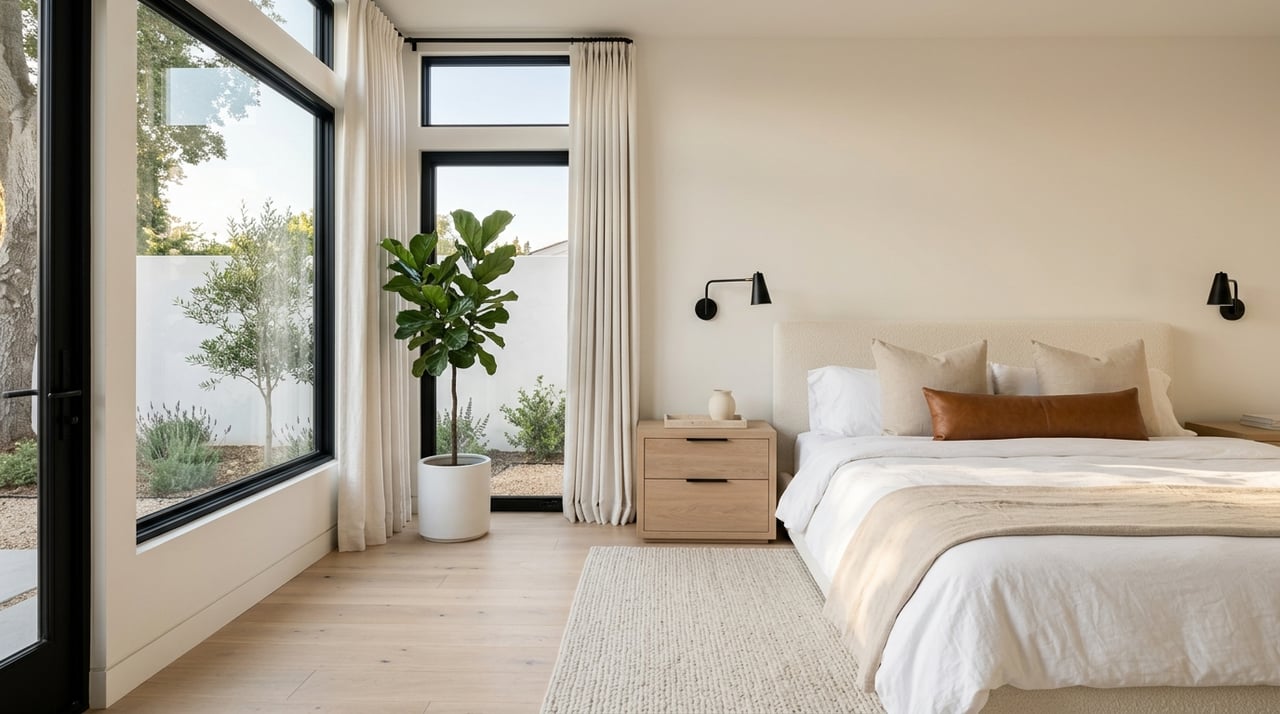
Are you wondering whether staging is really worth it before you sell your Walnut Creek home? In a market where buyers often decide online first and compare homes quickly, presentation can shape both interest and momentum. The good news is that staging does not always mean a full makeover. With the right strategy, you can focus on the updates that help your home look polished, spacious, and move-in ready. Let’s dive in.
Why staging matters in Walnut Creek
Walnut Creek is not a one-size-fits-all market. City housing data shows a mix of detached homes, townhomes, condos, and apartments, which means sellers are often competing within different product types and buyer expectations. That is important because the right staging plan for a detached home may look different from the right plan for a condo or townhome.
Recent Bay East data shows detached single-family homes in Walnut Creek moving faster than attached homes. In May 2026, detached homes had about 1.5 months of inventory, a median sale price of $1.65 million, and an average of 15 days on market, while condos and townhomes had about 3.4 months of inventory, a median sale price near $692,500, and an average of 29 days on market. That slightly longer timeline in the attached segment makes strong presentation especially helpful.
Staging also supports how buyers shop today. According to the 2025 Profile of Home Staging from NAR, 83% of buyers’ agents said staging made it easier for buyers to picture a property as a future home. The same research found that 49% of sellers’ agents said staging reduced time on market.
What staging actually means
Staging is not just decorating. NAR defines it as cleaning, decluttering, repairing, depersonalizing, and updating a home so buyers can imagine themselves in the space. In many cases, that means editing what you already have rather than replacing everything.
That practical approach fits Walnut Creek well. Some homes need full staging, especially if they are vacant, have an awkward layout, or are competing at a higher price point. Others may only need partial staging or a focused consultation to improve flow, simplify rooms, and prepare for photos.
Start with the rooms buyers notice most
If you want to get the biggest return from your effort, focus on the spaces buyers pay attention to first. NAR’s 2025 survey found that sellers’ agents most often staged the living room, primary bedroom, dining room, and kitchen. Buyers’ agents ranked the living room as the most important room to stage, followed by the primary bedroom and kitchen.
For most Walnut Creek homes, that means your first staging priorities should include:
- Living room
- Primary bedroom
- Kitchen
- Dining area
- Outdoor spaces
If your budget or timeline is tight, start there before moving to secondary spaces.
Staging strategies for detached homes
Detached homes in Walnut Creek often benefit from a presentation that feels open, calm, and well cared for. Since these homes have been selling quickly and at 102% of list price on average in recent Bay East reporting, staging should help support that strong demand by making your home feel easy to love at first glance.
Keep furniture scaled to the room. Oversized sectionals, extra chairs, or bulky storage pieces can make even a large room feel crowded in photos. A cleaner layout helps buyers understand the room size and circulation more easily.
Choose neutral styling wherever possible. Simple bedding, light accessories, and pared-back surfaces can help highlight the home itself rather than your personal taste. The goal is not to make the space feel empty. It is to make it feel welcoming and easy to picture as home.
Do not overlook outdoor areas. If you have a patio, deck, yard, or front porch, stage it with the same care as the inside. In Walnut Creek, outdoor living can be an important part of how buyers experience a property.
Staging strategies for condos and townhomes
For Walnut Creek condos and townhomes, staging often has a different job. With more inventory and a longer average time on market than detached homes, attached homes may benefit even more from a crisp, space-maximizing presentation.
In these homes, the goal is usually to make rooms feel larger and easier to move through. Remove extra furniture, clear visual clutter, and define each area clearly. If you have a flex nook or office corner, stage it with a simple purpose so buyers can see how the space works.
A focused staging plan often makes sense for attached homes. Prioritize:
- Living room
- Kitchen
- Primary bedroom
- Flex or office area
- Balcony, patio, or small outdoor space
This room-by-room approach can make a meaningful difference without requiring a full-house redesign.
Occupied homes need editing
If you are living in the home while selling, staging is usually about refining what is already there. That may mean removing extra furniture, packing personal collections, simplifying shelves, and fixing visible wear and tear. Small edits can make a home feel more spacious and more move-in ready.
Try to look at each room through a buyer’s eyes. Is the pathway clear? Does the room have a clear purpose? Are the surfaces clean and mostly open? Those details matter because buyers are often comparing several homes in a short time.
NAR reports that many sellers’ agents do not fully stage every listing but do recommend decluttering or correcting property faults. That makes occupied-home staging a practical middle ground for many Walnut Creek sellers.
Vacant homes may need more support
A vacant home can feel clean and bright, but it can also feel hard to read. Buyers may struggle to understand room scale, furniture placement, or how a space is meant to function. That is where full or partial staging can help.
NAR notes that staging helps buyers visualize the property, especially when the home is empty. If full physical staging is not practical, virtual staging may help in some cases, but it tends to work best as a supplement rather than a replacement for real photos and physical presentation.
When resources are limited, focus first on bedrooms, living rooms, and bonus spaces like offices. Those areas often have the biggest impact on how buyers interpret the layout.
Curb appeal is part of staging
Buyers start forming opinions before they walk through the front door. NAR says the most common seller-prep recommendations include decluttering, full-home cleaning, and improving curb appeal. Its curb appeal guidance also notes that strong curb appeal can raise perceived value by as much as 7%.
For a Walnut Creek home, curb appeal staging may include:
- Tidying landscaping
- Sweeping the driveway and entry
- Refreshing the porch or front seating area
- Trimming overgrowth
- Making sure the front door and hardware feel clean and maintained
Your exterior should match the tone of the interior. If the inside feels polished but the approach feels neglected, buyers may start their showing with the wrong impression.
Plan staging with photography
One of the biggest staging mistakes is treating it as separate from marketing. NAR found that photos were rated as important by 73% of buyers’ agents, ahead of physical staging, videos, and virtual tours. It also found that one in three buyers’ agents said clients were more likely to schedule a showing after seeing a staged home online.
That means staging should be planned around the photo day, not after it. Your home needs to look its best where buyers will likely see it first, which is in the listing images. Good staging helps rooms photograph with better scale, cleaner lines, and a stronger sense of light.
This matters even more because buyer expectations are shaped by online browsing and TV-style presentation. NAR found that 58% of respondents said buyers were disappointed when homes did not match those expectations.
How to choose the right staging level
Most Walnut Creek sellers do not need to ask, “Should I stage?” A better question is, “How much staging makes sense for my home?” The answer usually depends on the home’s condition, layout, occupancy status, and price point.
NAR reports a median cost of about $1,500 for professional staging and about $500 when the seller’s agent handles staging. That gives you a useful framework for thinking about options.
Here is a simple way to evaluate your approach:
- Full staging: Best for vacant homes, premium listings, or homes with challenging layouts
- Partial staging: Best for occupied homes with good existing furniture that need editing and a few styled spaces
- Consultation and photo prep: Best for homes that already show well but need decluttering, repairs, and a cleaner visual plan
The goal is not to overdo it. The goal is to present your home in a way that feels broad, bright, and easy for buyers to connect with.
A practical staging checklist
Before your home goes live, walk through this short checklist:
- Declutter every major room
- Clean the entire home thoroughly
- Remove oversized or extra furniture
- Depersonalize art, photos, and collections
- Touch up visible cosmetic flaws
- Prioritize the living room, kitchen, and primary bedroom
- Refresh outdoor spaces and entry areas
- Coordinate staging before photography
These steps can help your home feel more spacious, more polished, and more competitive from day one.
Thoughtful staging is really about clarity. It helps buyers see the layout, notice the features, and imagine daily life in the home without distraction. In Walnut Creek, where market pace and competition can vary by property type, that kind of presentation can give you an edge.
If you are getting ready to sell and want a tailored plan for your home, Hector Mancera can help you decide what level of staging makes sense, how to prepare for photos, and how to position your property for a strong market debut.
FAQs
What rooms should you stage first when selling a Walnut Creek home?
- Start with the living room, primary bedroom, kitchen, dining area, and outdoor spaces because those are among the highest-priority areas in NAR’s staging research.
Does staging help Walnut Creek condos and townhomes sell?
- Yes. Since Walnut Creek attached homes have had more inventory and longer average market times than detached homes in recent Bay East reporting, a clean, space-maximizing presentation can be especially helpful.
Is full staging necessary for every Walnut Creek listing?
- No. NAR reports that many agents do not fully stage every listing and instead recommend decluttering or fixing property issues. Full staging often makes the most sense for vacant homes, higher price points, or homes with layout challenges.
How much does home staging usually cost before selling?
- NAR reports a median cost of about $1,500 for professional staging and about $500 when the seller’s agent handles staging.
Why should staging be done before listing photos?
- Because photos are one of the most important marketing tools for buyers, and staged homes are more likely to encourage showing requests after buyers see the home online.