
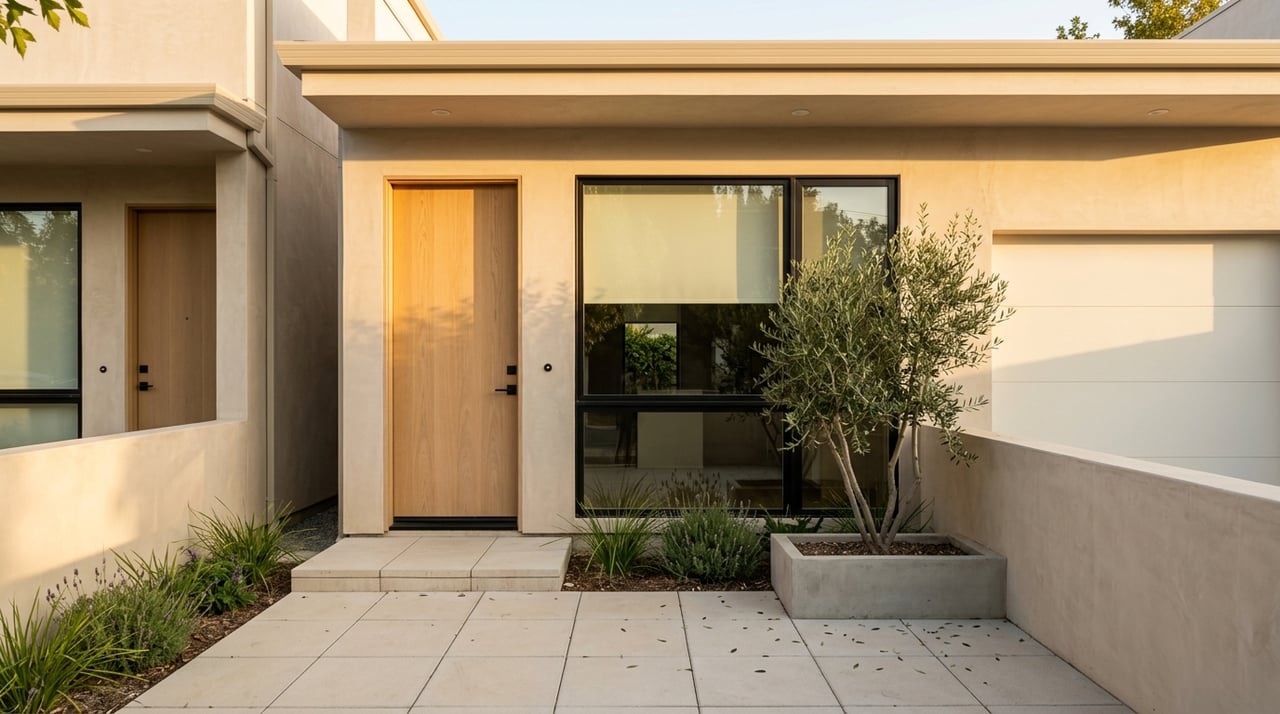
Wondering if you can simplify your home without giving up Danville? If your current house feels like more space, stairs, or upkeep than you want, you are not alone. Downsizing within Danville can help you stay close to the routines, amenities, and community connections you already know while making day-to-day living easier. Here is how to plan a smart move from a larger family home to a true lock-and-leave lifestyle.
Why Danville works for downsizing
Danville gives you a rare option: you may be able to reduce maintenance without leaving the area that already feels like home. For many long-time owners, that matters just as much as the home itself.
The local market also supports early planning. Recent reporting showed Danville homes selling at a median price around $1.8 million to $1.9 million in early 2026, with many going pending in about 12 to 14 days and multiple offers common. In a fast-moving market like this, your selling strategy should be organized well before you start packing.
Danville also offers practical amenities that can make local downsizing appealing. The Town of Danville provides adult and senior programming through the Danville Senior Center, and downtown planning efforts have focused on widened sidewalks, better lighting, pedestrian connections, and stronger links to the Iron Horse Trail.
What lock-and-leave really means
A lock-and-leave home is not just a smaller version of your current house. It is a home set up to reduce the work that comes with ownership and make travel or time away easier.
For many downsizers in Danville, that means shifting focus away from extra square footage and toward ease of use. A better fit may include fewer stairs, a simpler floor plan, and outdoor areas that are easier to maintain.
Features worth prioritizing
When you compare homes, think about how you want to live five or ten years from now, not just what works today. The California Department of Real Estate advises buyers to weigh location, room count, lot size, access to stores and services, and ongoing costs such as taxes, assessments, HOA dues, and maintenance.
In practical terms, these features often matter most:
- Single-level living or minimal stairs
- Manageable outdoor upkeep
- Easy access to downtown Danville
- Convenient connections to the Iron Horse Trail
- Layouts with enough room for guests, hobbies, or a home office
- Predictable monthly ownership costs
- Storage that supports a simpler lifestyle without feeling cramped
Condo, townhome, or smaller house?
Your best downsizing option depends on how much independence and maintenance you want. Some homeowners want to leave behind yard work completely, while others still want a private yard on a smaller scale.
A condo or townhome can reduce some exterior responsibilities, but it does not mean ownership becomes maintenance-free. In California common-interest developments, buying a condo or townhome usually means becoming a member of the homeowners association.
What to know about HOA living
If you are considering an attached home, take the HOA seriously. The California Department of Real Estate says buyers in these developments should receive a public report covering important details such as utilities, roads, hazards, zoning, title, use restrictions, and financial arrangements.
It is also important to understand that HOA dues and service levels can change over time. Dues may rise, special assessments may happen, and financial strain within the HOA can affect maintenance and operations.
Before you buy, review:
- CC&Rs
- Monthly dues
- Recent and possible special assessments
- HOA budget
- Reserve study
- What services the HOA fee actually covers
- Rules that may affect how you use the home
A smaller single-family home may offer more privacy and control, but you will still want to budget for exterior care and repairs. The right answer is usually the one that best matches your travel plans, budget, and comfort with ongoing upkeep.
Timing the sale and purchase
One of the biggest downsizing questions is simple: should you sell first or buy first? In reality, this is less about picking a side and more about matching timing to your cash needs, comfort level, and tax considerations.
In California, transaction timing is usually driven by escrow, financing, and contingencies. Escrow generally starts when buyer and seller agree on terms, and your offer can include contingencies or special conditions that protect your needs.
If you need sale proceeds
Many long-time owners plan to use equity from their current home to help purchase the next one. The California Department of Real Estate notes that buyers commonly need a down payment of 5% to 20% plus another 3% to 7% for closing costs.
If your next purchase depends on your current sale, start that conversation early. This is one of the most important reasons to build your plan before you begin touring homes.
If you want more flexibility
Some downsizers prefer to secure the replacement home first so they can move on a calmer timeline. That approach can reduce pressure, but it may also affect cash flow and property tax timing.
The key is not closing both transactions on the exact same day. The key is making sure your funding, contingencies, and escrow dates support your goals.
Proposition 19 could shape your plan
For many Danville homeowners, property taxes are one of the biggest moving questions. If you are eligible, Proposition 19 may allow you to transfer your base-year value to a replacement primary residence anywhere in California.
According to the California Board of Equalization, this may apply to eligible homeowners age 55 or older, severely and permanently disabled homeowners, and certain disaster victims. Claims are filed with the county assessor after both transactions are complete and you are living in the replacement home.
One timing detail to watch
If you buy the replacement home before your original home sells, the Board of Equalization says the replacement property is taxed at full fair market value for the period between purchase and sale. There is no refund for that period.
That makes timing more than a convenience issue. It can directly affect the short-term cost of buying first versus selling first.
Because Danville is in Contra Costa County, local guidance matters here. A careful downsizing plan should include a review of Proposition 19 timing and filing requirements as they apply through the county assessor.
Prepare your current home early
In a market where homes can move quickly, your listing should not be the last thing on your checklist. Preparing early gives you more control over repairs, presentation, timing, and move coordination.
That does not mean you need to do everything at once. It means you should understand what your home may need before your replacement purchase is on the line.
A practical pre-listing checklist
Before you go active, consider working through these steps:
- Get a current opinion of value for your home.
- Identify repairs or touch-ups that may matter to buyers.
- Sort what you will keep, donate, sell, or discard.
- Gather documents tied to the property and prior improvements.
- Build a realistic moving timeline.
- Discuss how your sale timing connects to your purchase plan.
This kind of preparation can reduce stress and help you make cleaner decisions once the market starts moving.
Disclosures still matter when downsizing
Even if you have bought and sold before, California disclosure rules remain an important part of the process. Most residential sales include a Real Estate Transfer Disclosure Statement, which is a disclosure of property condition rather than a warranty.
When applicable, a Natural Hazard Disclosure may also be part of the sale. That disclosure can identify whether the property is in certain flood, dam inundation, fire, earthquake fault, or seismic hazard zones.
These documents matter on both sides of a downsizing move. As a seller, you want to be ready for the disclosure process. As a buyer, you want to compare replacement options with a clear understanding of the property and its setting.
A local downsizing strategy matters
Downsizing in Danville is not just about finding a smaller home. It is about matching your next home to your lifestyle, your finances, and the way local inventory actually behaves.
A thoughtful plan can help you decide what features are truly worth paying for, how to evaluate HOA tradeoffs, when to sell, and how tax timing may affect your move. When done well, downsizing can feel less like giving something up and more like gaining freedom.
If you are thinking about making a move within Danville, the best first step is a clear plan built around your priorities. Hector Mancera can help you evaluate your options, understand timing, and create a smooth path from your current home to a lock-and-leave lifestyle.
FAQs
What does lock-and-leave mean for a Danville downsizer?
- It usually means choosing a home that is easier to maintain, often with less outdoor work, fewer stairs, and a layout that supports simpler day-to-day living.
What should I review before buying a Danville condo or townhome?
- Review the HOA dues, CC&Rs, budget, reserve study, any assessments, and the specific services included, since HOA costs and service levels can change over time.
Do I need to close my Danville sale and purchase on the same day?
- No. The main goal is to align funding, contingencies, and escrow timing with your financial needs and overall move plan.
How can Proposition 19 affect a Danville downsizing move?
- If you are eligible, Proposition 19 may allow you to transfer your base-year value to a replacement primary residence in California, but timing and county filing requirements matter.
What disclosures are common in a Danville home sale?
- Most residential sales involve a Real Estate Transfer Disclosure Statement and, when applicable, a Natural Hazard Disclosure covering certain mapped hazard zones.